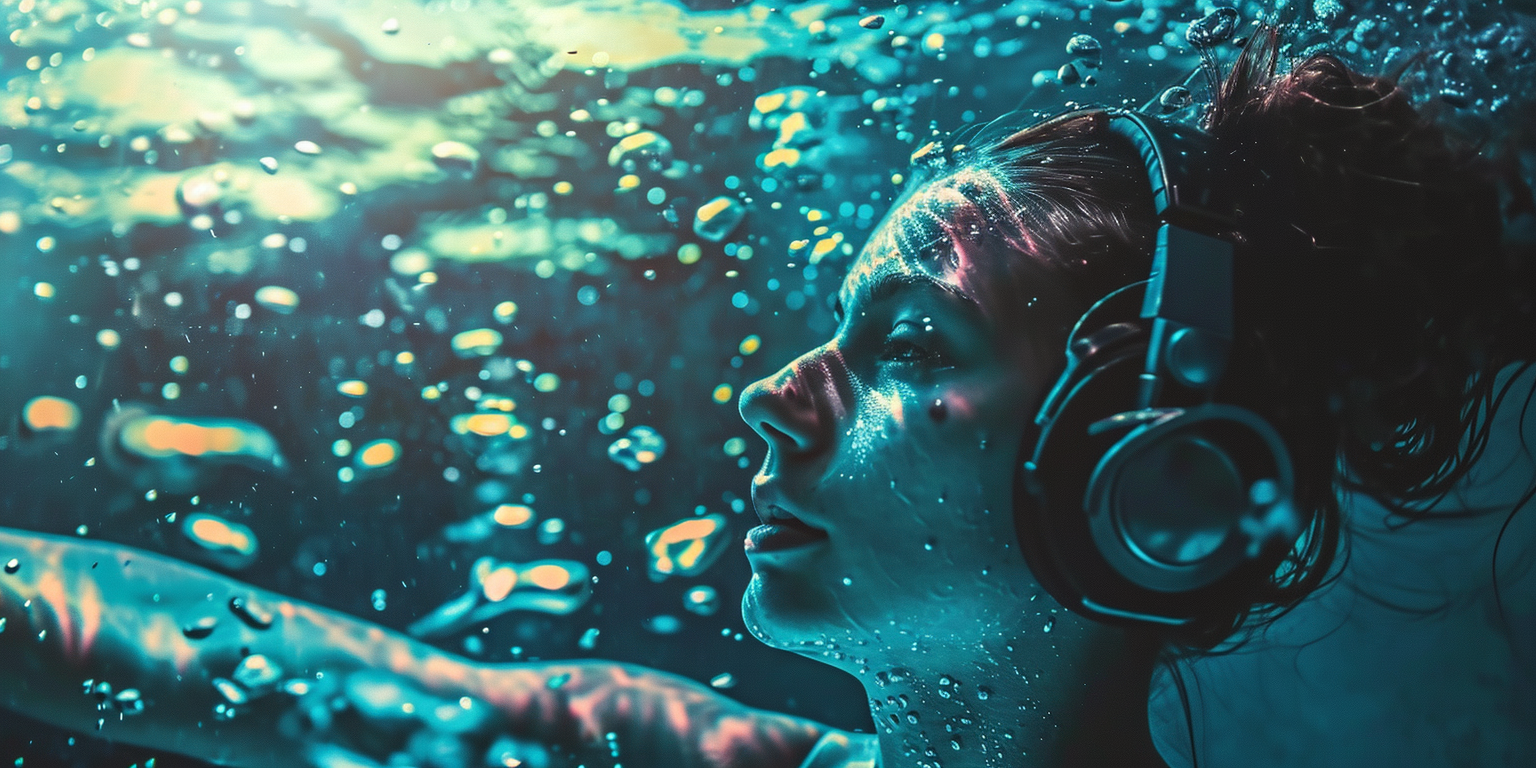
Water Sound Effects: Splashes, Waves, Drips, Rain, and Bubbles

Water sound effects are recordings and designed audio elements that make a scene feel wet, physical, spacious, dangerous, peaceful, comic, or supernatural. They include rain, ocean waves, waterfalls, drips, splashes, pours, bubbles, underwater gurgles, liquid impacts, mud, and stylized water magic. The sound can be tiny, like one faucet drip in a silent room, or enormous, like a wave breaking against rocks under a stormy sky.
The useful question is not just what kind of water is on screen? It is what is the water doing to the story? Rain can hide tears, trap characters, create romance, or make a city feel lonely. A drip can be a joke, a leak, or a warning. A splash can sell physical comedy, body impact, scale, danger, or a transition between worlds. Underwater sound can make everything feel muted, pressurized, dreamlike, or suffocating.
The free +Sounds collection below includes royalty-free water sound effects for close splashes, object drops into water, hand splashes, drips, short pours, wave crashes, bubbles, mud splashes, and designed water-magic layers. Use the short sounds for precise Foley and editorial punctuation. Use the longer waves, bubbles, and underwater textures when the scene needs environment, pressure, or motion.
| Water sound | What it usually tells the audience | Good editing use |
|---|---|---|
| Drip | Leak, silence, tension, irritation, time passing | Comedy, suspense, abandoned rooms, quiet interiors. |
| Splash | Impact, body movement, surprise, contact with liquid | Falls, jumps, fights, accidents, pool scenes. |
| Pour | Continuity, action detail, liquid volume | Kitchens, bars, labs, rituals, repair scenes. |
| Wave | Scale, rhythm, danger, distance, weather | Beaches, ships, cliffs, storms, memory scenes. |
| Bubbles | Submersion, air, life, pressure, comedy | Underwater shots, tanks, bottles, creatures. |
| Water magic | Energy, transformation, fantasy, force | Games, trailers, spell hits, stylized transitions. |
If you need more than this starter set, you can search the wider +Sounds water library or sign up with Audio Design Desk to explore thousands of royalty-free sound effects for video, film, games, podcasts, and social content.
How to choose water sound effects
Start with perspective. A wave heard from a cliff should not sound like a close splash next to the microphone. A faucet drip in the same room should have a sharp transient and a short tail. A drip heard through a hallway can be softer, darker, and more reflective. If the camera goes underwater, the entire mix usually needs to lose top end and gain pressure, not simply add a bubble track.
Then choose scale. A small object dropped into a bucket has a fast attack and a tight body. A person hitting a pool needs more body, more chaotic droplets, and often a separate clothing or body layer. A ship, cliff, or monster impact may need low-frequency support, but the water still needs detail on top so the viewer understands the surface, speed, and size.
| Scene need | Better search terms | Mix note |
|---|---|---|
| Small physical action | drip, drop, pour, hand splash | Keep it short and close; do not flood the dialogue range. |
| Large impact | big splash, wave crash, water impact | Layer transient, body, droplets, and tail instead of only turning one file up. |
| Weather | rain, storm, puddle, roof, window | Match the surface. Rain on glass, leaves, water, and pavement all read differently. |
| Underwater | underwater, gurgle, bubbles, muffled, pressure | Roll off highs around the scene, not only on the water effect. |
| Fantasy or game UI | water spell, liquid whoosh, magic water | Add tonal motion or impact only when the world supports stylization. |
Water sound effects in television and movies
The beauty of water is the range of sound worlds it can create. Most of its variation comes from volume, force, surface, distance, and enclosure. A stream gets louder when the flow increases, but it also changes when it hits rock, mud, wood, metal, glass, leaves, or another body of water. Rain is not one sound either. It is a texture made from countless small impacts.
In the examples below, listen less for whether the water is loud and more for what job it has. Sometimes it is spectacle. Sometimes it is a location bed. Sometimes it is an emotional cue. Sometimes it is a joke.
Tomb Raider, Anaconda: Waterfall sound effects
Action scenes often use waterfalls as scale engines. A waterfall is a constant wall of sound, so the mix has to decide where the viewer is standing. Close to the fall, the water can swallow detail and make the characters feel small. Behind the fall, the water can become muffled and cavernous, which lets danger move in and out of focus.
As Lara Croft dangles from the edge of a cliff in this Tomb Raider scene, the camera hangs suspended with her. The roaring waterfall becomes a constant reminder of the drop below. Notice how the water is not alone. The score carries danger, while metallic breaks and impacts tell us the platform is failing.
The Anaconda scene uses a second angle on the same idea. Behind the waterfall, the space is resonant and relatively protected even though heavy water is falling outside. When the snake breaks through that barrier, the water shifts from environment to action. The pool splash, tree impact, body movement, and water curtain all have to agree about size.
The Notebook, Truman Show: dramatic rain sound effects
Rain is one of the most flexible sound effects because it can sit under dialogue, hide transitions, soften music, or turn a location into a mood. But it should still have a point of view. Rain on a car roof is intimate and enclosed. Rain on pavement is brighter and wider. Rain in a field can be soft, diffuse, and lonely.
In The Truman Show, rain becomes evidence. A technical glitch causes rain to fall on Truman while he stands in one exact spot. When he moves, it stops. The sound transforms from ordinary weather into proof that his world is artificial. That is the power of context: the same rain texture can be natural, romantic, threatening, or absurd.
In The Notebook, rain acts as emotional release. The characters are drenched, and the storm turns their reunion into something larger than a conversation. The sound designer has to make the rain present enough to feel physical without covering the words and breaths that carry the scene.
Pirates of the Caribbean: splashes and water impacts
Water can splash at almost any size. The trick is to match the visible object, the distance to camera, and the emotional scale of the moment. A rowboat splash, shark attack, cannonball hit, and falling body do not need the same sound just because they all break the surface.
In this Pirates of the Caribbean clip, one character jumps from the rowboat and lands with a human-sized splash. A moment later, the shark attack adds faster, more violent water movement. The splashes are not decorative. They tell us where the bodies are, how fast the danger is moving, and how unstable the boat has become.
In the ship battle, cannonballs, broken wood, and bodies hit the ocean at different sizes. When the camera moves underwater, the same impacts become muted and pressurized. That perspective shift is a useful reminder: a good water effect is often less about the file name and more about where the listener is supposed to be.
Underwater, My Cousin Vinny: water dripping
The sound of dripping water is basically neutral until the scene assigns meaning to it. Outdoors, an icicle drip can be peaceful. Indoors, a steady faucet drip can mean a leak, sleeplessness, neglect, or pressure. In a horror or sci-fi scene, one isolated drop can become a countdown.
In My Cousin Vinny, the dripping faucet is comedy. It prods the character's discomfort and sleep deprivation until a tiny nuisance feels enormous. The sound does not need to be big. It needs to be placed in a quiet enough scene that the audience starts hearing it the way he does.
In Underwater, a single drop points in the opposite direction. It is drenched in reverb and surrounded by tension, so the audience understands that the ship is vulnerable. When the larger breach arrives, the small drip has already prepared us for water as threat.
Common water sound mistake patterns to avoid
- Using one giant splash for every impact. A hand, body, rock, shark, boat, and cannonball all move different amounts of water.
- Ignoring perspective. Water heard underwater, through a wall, from shore, or next to the microphone needs different tone and distance.
- Letting rain cover dialogue. Rain should create mood without turning speech into a fight for intelligibility.
- Forgetting the surface. Water on glass, metal, pavement, leaves, cloth, and skin has different transient detail.
- Leaving out the tail. Big splashes often need droplets, slosh, room, or wave return after the first hit.
Creating transformative reverb effects with water impulse responses
Audio Design Desk does not sell link placements or place affiliate links in this article. The tool links below are included because they may help you find the right workflow for the job.
Water can also become a processing tool. An impulse response captures how a space reacts to a short sound, then lets a convolution reverb apply that response to other audio. Underwater impulse responses can make pads, impacts, voices, and transitions feel submerged or pressure-warped. They are especially useful when a scene needs to feel underwater without adding literal bubbles everywhere.
1. Record a short impulse near or in water
- Use a hydrophone, waterproof microphone, or carefully protected dynamic microphone.
- Record in a controlled pool, tank, bathtub, aquarium, or quiet natural water source.
- Create a short impulse with a hand clap, balloon pop, stick click, or controlled burst of noise near the surface.
2. Edit the impulse response
- Trim the file so it starts on the impulse and keeps the natural decay.
- Remove bumps, handling noise, and long silence.
- Export a clean WAV file for your convolution reverb.
3. Load it into a convolution reverb
- Logic Pro's Space Designer
- Ableton Live's Convolution Reverb Pro
- Waves IR1 Convolution Reverb
- Altiverb by Audio Ease
Once loaded, adjust wet/dry mix, decay, pre-delay, filtering, and automation. A subtle underwater IR on a transition can be more effective than a literal splash, especially when the picture is psychological, dreamlike, or memory-based.
Related sound effect guides
Water often works best as part of a larger sound design system. For submerged scenes, read our underwater sound effects guide. For environmental beds, see ambient sound effects. For contrast, pair water with fire sound effects, glass breaking sound effects, or thud sound effects.
Water sound effects FAQ
What are water sound effects?
Water sound effects are recordings or designed sounds of splashes, waves, rain, drips, pours, bubbles, underwater movement, and liquid impacts used to make a scene feel wet, physical, spacious, dangerous, peaceful, or comic.
How do I choose the right water sound effect?
Choose by story function first, then by size, perspective, material, and room. A close hand splash, distant wave crash, indoor drip, and underwater gurgle all tell the audience different things even though they are all water sounds.
Can I use these water sound effects in commercial projects?
The featured +Sounds collection is built for royalty-free use through Audio Design Desk. Always check your current +Sounds usage rights and plan for the exact license terms that apply to your project.
Should water sound effects be realistic or designed?
They should be believable for the moment. Natural recordings are best for ordinary rain, streams, pours, and small splashes. Designed or layered sounds work better for underwater pressure, fantasy water magic, huge wave impacts, and stylized transitions.
Download 70,000+ sound effects with Audio Design Desk
Want to explore more examples of water sound effects?
Check out the full collection when you sign up for Audio Design Desk for free. Upgrade and get 70,000+ royalty-free music and sound effect files for your video content, directly inside the ADD workflow. You can read more on our pricing and FAQ pages.